

A featured contribution from Leadership Perspectives: a curated forum reserved for leaders nominated by our subscribers and vetted by the Construction Tech Review Advisory Board.

Benoy
Designing For Regeneration, Not Just Resilience
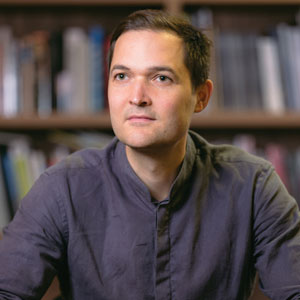
Gregory Kovacs
Through this article, Gregory Kovacs explores how regenerative design can move the built environment beyond sustainability toward more profound reconnection with nature, communities, and ourselves. He emphasizes collaboration, ecological responsibility, and the need to rethink design as a healing, inclusive, and system-aware practice for a more resilient future.
What Inspires My Design Approach: Reconnection Over Damage Control
We’re living at a pivotal moment—our built environment and ways of living are no longer sustainable. The construction industry alone contributes 39 percent of global carbon emissions. But carbon is just the symptom. The deeper issue is disconnection from nature, from community, and ourselves.
Humans evolved in small, close-knit groups, yet today we navigate sprawling megacities and digital overload. Until we meaningfully reconnect, most sustainability efforts will remain reactive. What drives me is regenerative design—a philosophy that aims to do less harm and actively heal. It’s a call for a radical shift: to rebuild our relationship with the land, other living beings, and our humanity.
Connecting Master Planning, Architecture, and Interiors: One Narrative, Many Expressions
For us, landscape, architecture, and interiors aren’t separate layers—they’re different expressions of the same experience. Each plays a unique role, but together they tell one cohesive story.
That’s why we work as a unified team from the very beginning.
Fostering Creativity on Complex Projects: Innovation Emerges from Diversity and Dialogue
Our work spans continents, cultures, and climates, naturally inviting many ideas to the table. This diversity fuels creativity, as concepts evolve and cross-pollinate across vastly different contexts.
Until we meaningfully reconnect with nature, community, and ourselves, most sustainability efforts will remain reactive
We nurture a design culture grounded in curiosity and openness. Every voice matters, and part of my role is to curate that collective intelligence, guiding diverse perspectives into a cohesive vision. Innovation often arises when unexpected ideas intersect and grow together. It’s not about control—it’s about creating the conditions for creativity to thrive.
Shaping the Future of Design: From Carbon Reduction to Ecological Regeneration
One of the most critical shifts we're embracing is adaptive reuse. Over a third of a building’s carbon footprint is embodied carbon—materials already in place. Repurposing existing structures isn’t just practical; it’s essential for any serious path toward carbon neutrality.
Biodiversity is just as urgent. The built environment has contributed to alarming ecological loss. It’s no longer enough to add greenery as an afterthought. We must design for ecosystems—reintroducing biodiversity, building wildlife corridors, and creating environments where people and nature can thrive.
Advice for Emerging Designers: Start by Rethinking How You Relate to the World
First, don’t just follow our lead. Find your voice. For me, the starting point is always to return to the roots: how we think, connect with others, and understand our place in the world. A building’s impact extends beyond its site, affecting ecosystems, communities, and future generations.
So engage fully. Listen to the land, to non-human life, and to people who may not be in the room. Challenge inherited assumptions and seek out perspectives beyond your own. Above all, remember—this is not a solo act. The age of the heroic architect is over. Meaningful design comes from shared responsibility, collaboration, and the humility to listen before you build.
